
The music of Higgs Boson draws on influences from fusion, jazz, rock, electronic and contemporary instrumental music, his recordings span more than three decades, from the original sessions for Leaving in 1991 through Higgs Boson, Quantum Dance and The Ordinary Club.
The music has always resisted easy categorisation, combining improvisation, strong melodic themes and electronic textures with acoustic instruments and contributions from a wide range of musicians. This archive brings together the albums, recordings and stories behind the music — including the studios, musicians and circumstances in which they were made.
Original instrumental music inspired by imagination, science and the stories that shape our lives.
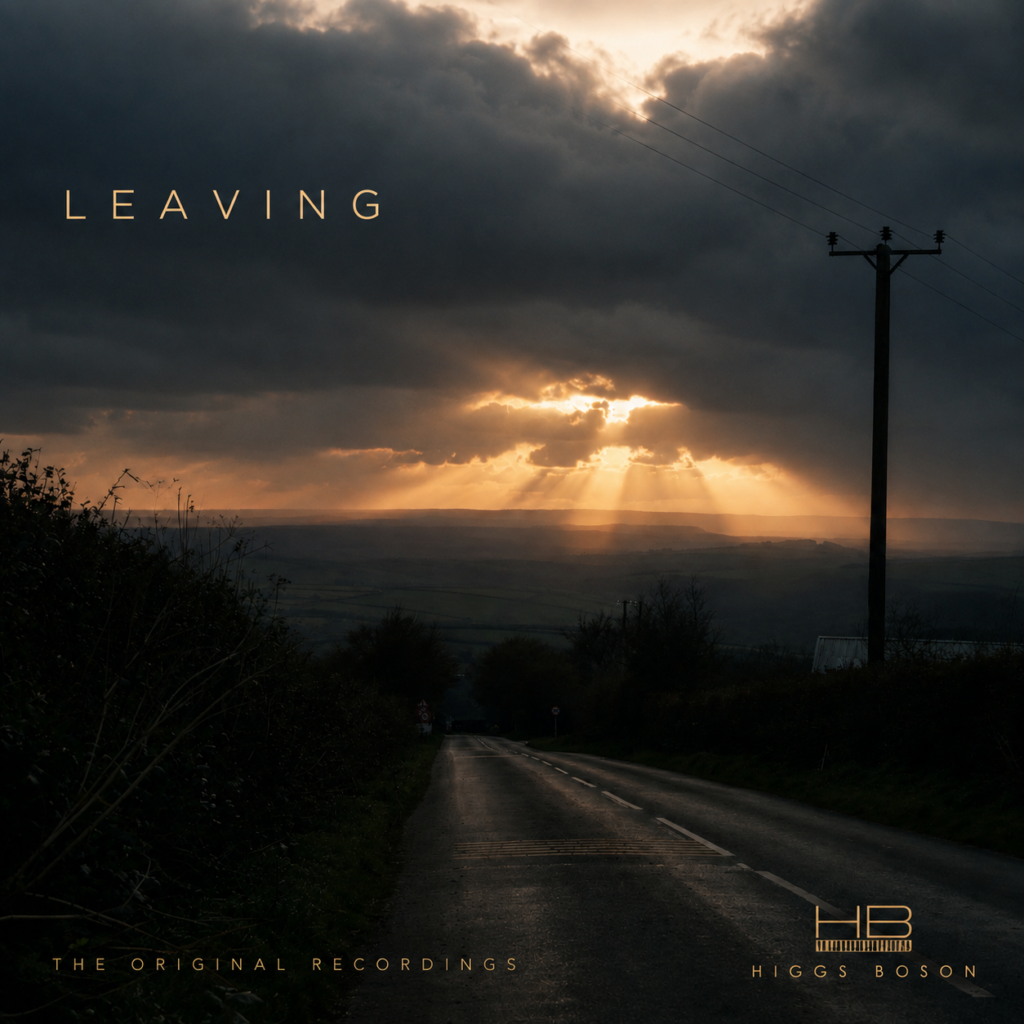
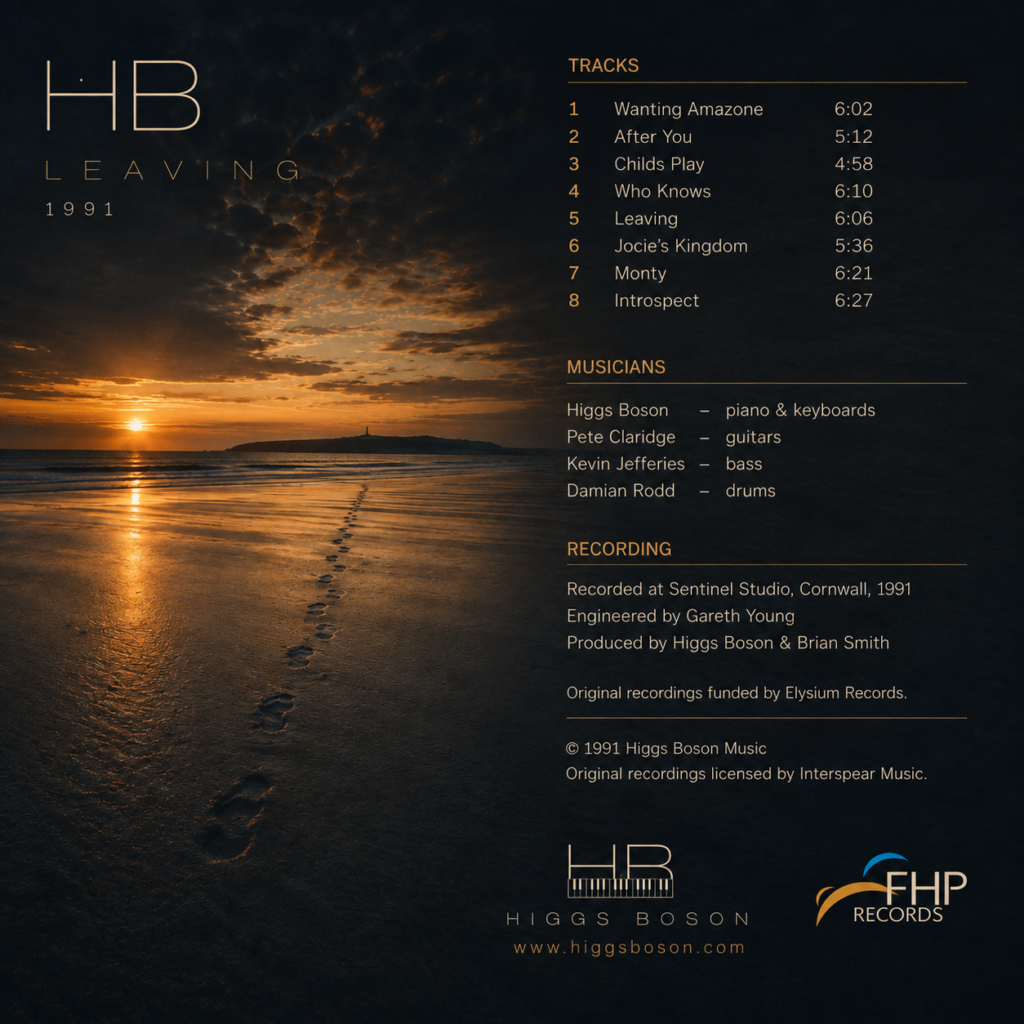
Leaving (1991)
Leaving marks the beginning of my journey as a composer.
Recorded in 1991 at Sentinel Studios in Cornwall, these were the first pieces in which I stopped looking outward for inspiration and began finding my own musical voice. Although my background was rooted in jazz, the music was already moving beyond traditional forms, drawing on classical influences, cinematic textures and an increasing fascination with atmosphere and space.
The original demo attracted the attention of legendary producer Gus Dudgeon, who agreed in principle to produce the album. Although the necessary funding never came together, the recordings were subsequently financed by Elysium Records. Unfortunately, the label ceased trading before the project could be completed and properly mastered, leaving the album as a professionally recorded rough mix. The original master tapes were eventually returned to me many years later.
The tracks are presented in full CD-quality audio (16-bit/44.1 kHz), preserving the sound of the original recordings.
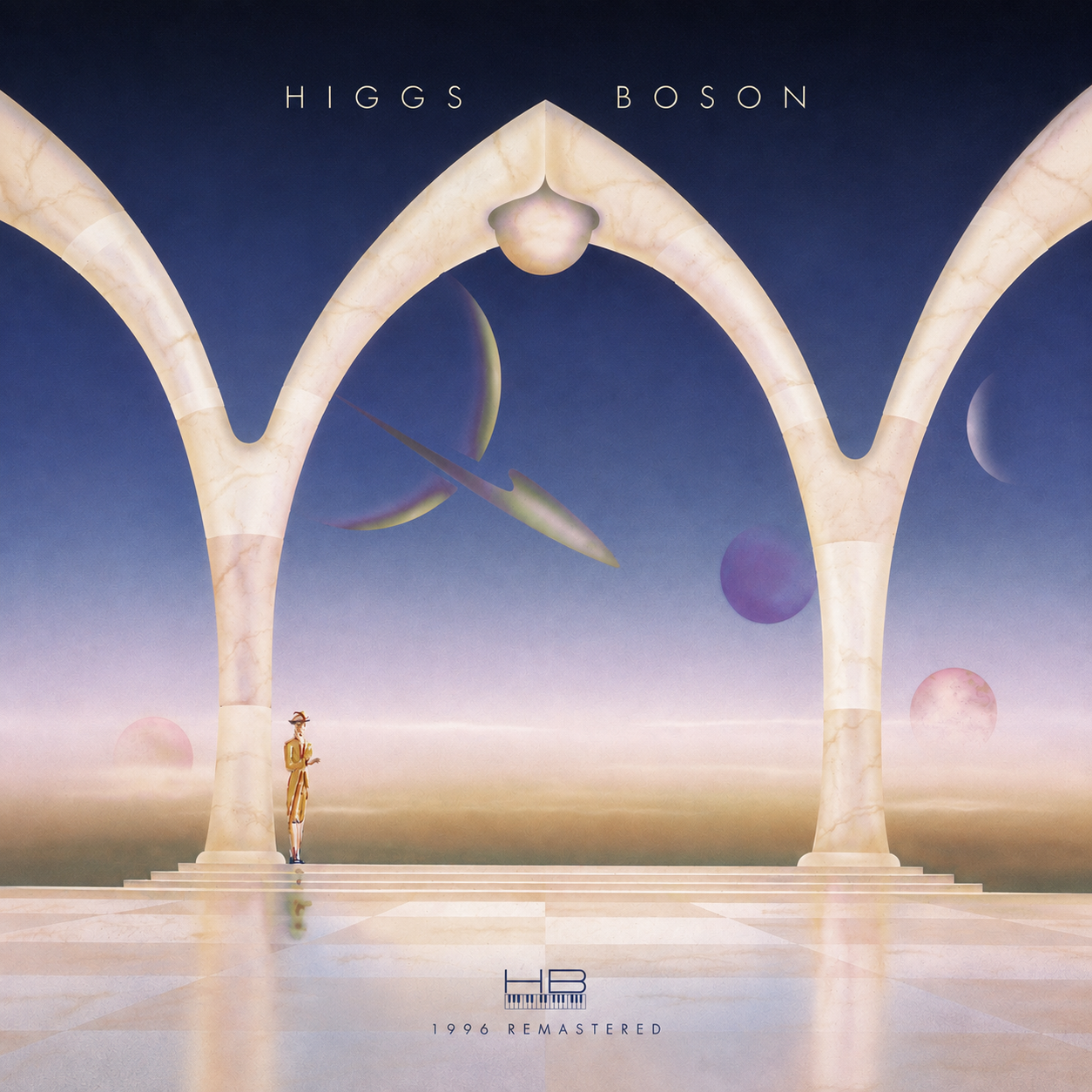
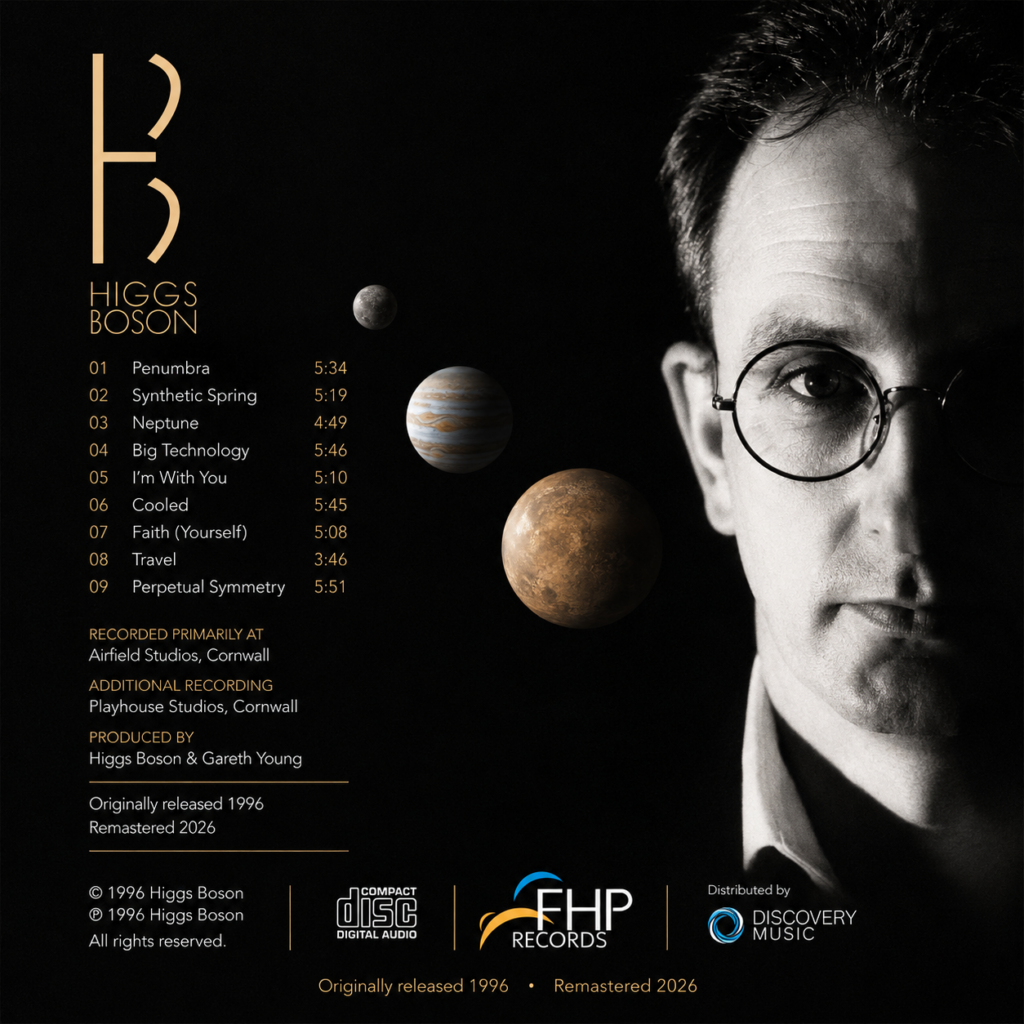
Higgs Boson (1996)
This was the first album released under the Higgs Boson name and established the musical identity that would continue through Quantum Dance and The Ordinary Club.
Recorded primarily at Jo Partridge’s Airfield Studios in Cornwall, with additional sessions at Playhouse Studios, Higgs assembled an outstanding group of musicians to bring these compositions to life.
Rooted in jazz fusion, the music combines contemporary jazz with cinematic composition, atmospheric textures and an enduring fascination with science, nature and space. Every piece was written and arranged by Higgs Boson, reflecting a growing confidence in developing a distinctive musical voice.
The album was dedicated to the memory of Higgs’ uncle, Alfred Sinclair Johnstone, who died shortly before its release. Years later, research into the life of his grandfather would lead to the writing of Boy Bugler, revealing an extraordinary family story that had remained hidden for almost a century.
Unlike many streaming services, these recordings are presented in full CD-quality audio for the best listening experience.
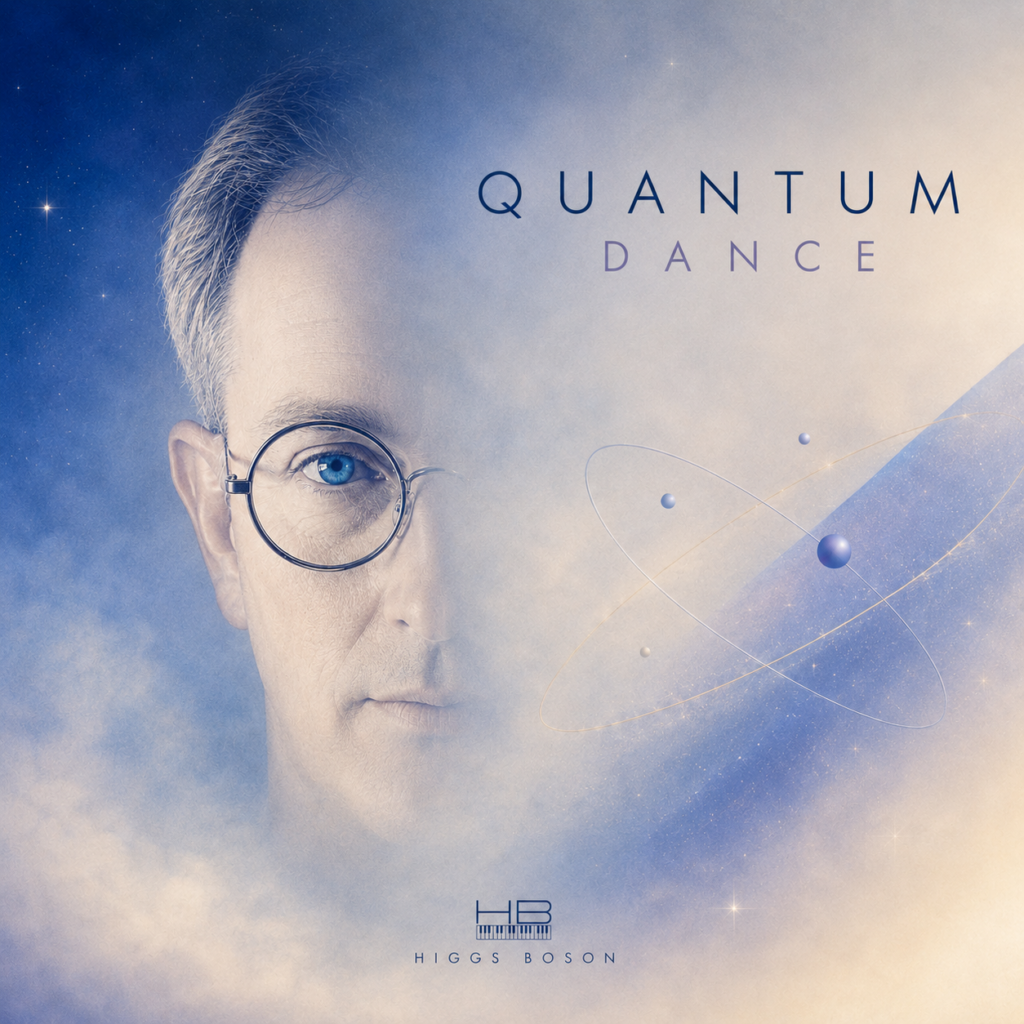
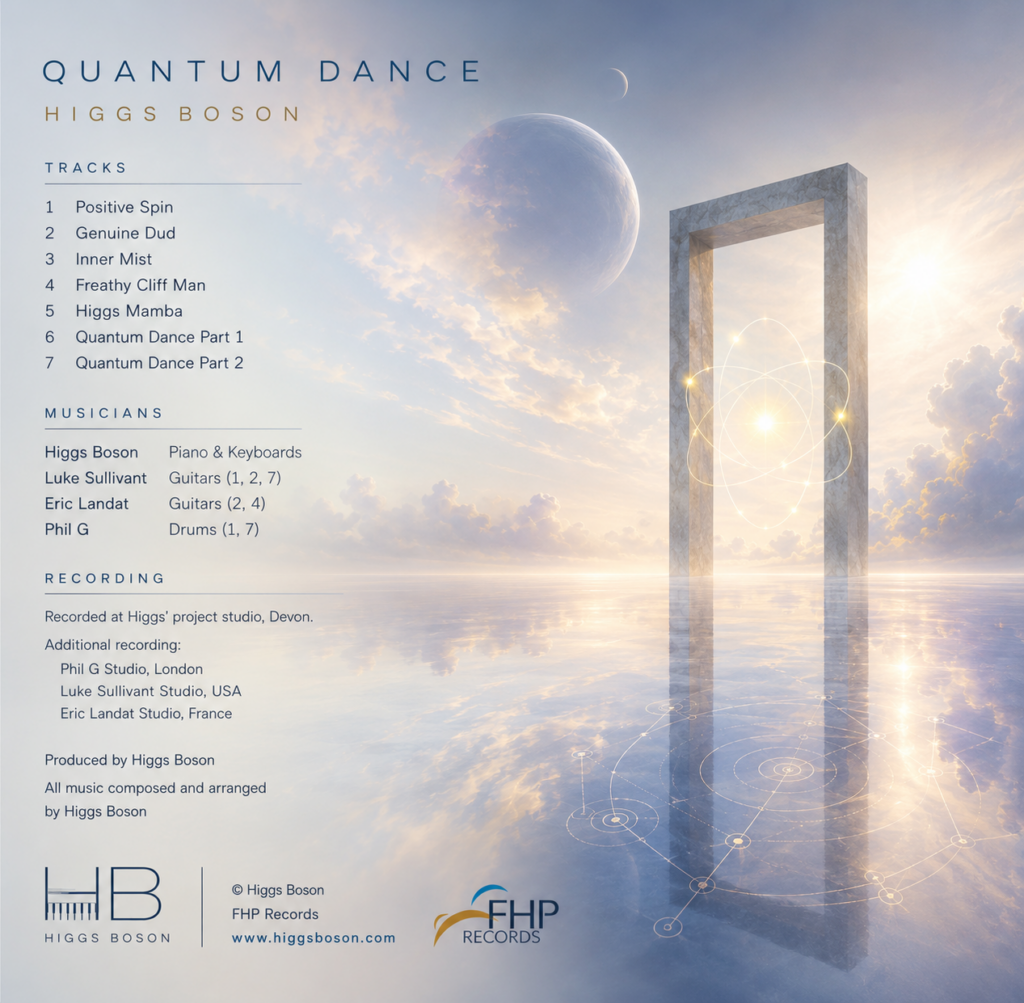
Quantum Dance (2010)
Quantum Dance marked a return to my jazz roots and, in particular, to the piano as the starting point for many of the compositions. Recorded primarily as a home studio project, it provided the freedom to explore more adventurous harmonic ideas while continuing the scientific themes that had become associated with the Higgs Boson name.
Although largely self-produced, the album features guest performances from Grammy-nominated guitarist Luke Sullivant and drummer Phil G on Positive Spin, Inner Mist and Quantum Dance Part II, together with French guitarist Eric Landat, whose expressive playing features on Genuine Dud.
The music reflects many of the influences that shaped my playing, from jazz and progressive rock to more cinematic forms of composition. Genuine Dud was written as a tribute to Dudley Moore, whose musicianship had been a lasting inspiration from an early age. Freathy Cliff Man was inspired by Cornish artist Mervyn Beaver, while Higgs Mamba explores a more Latin-influenced, piano-led style.
“Among Higgs’ albums, this one showcases some of the musical areas where he’s most at home…”
— Dr Richard Machin
Listen
Featured track: Inner Mist
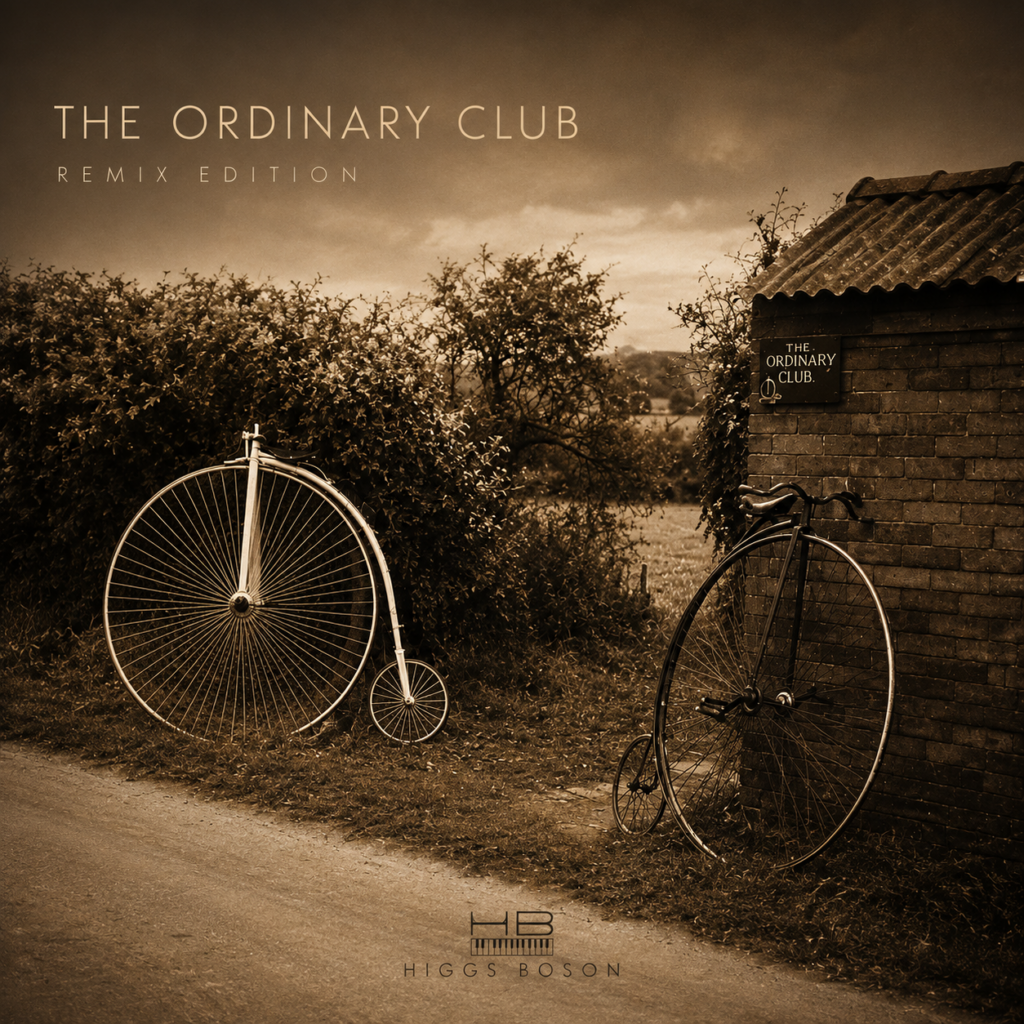
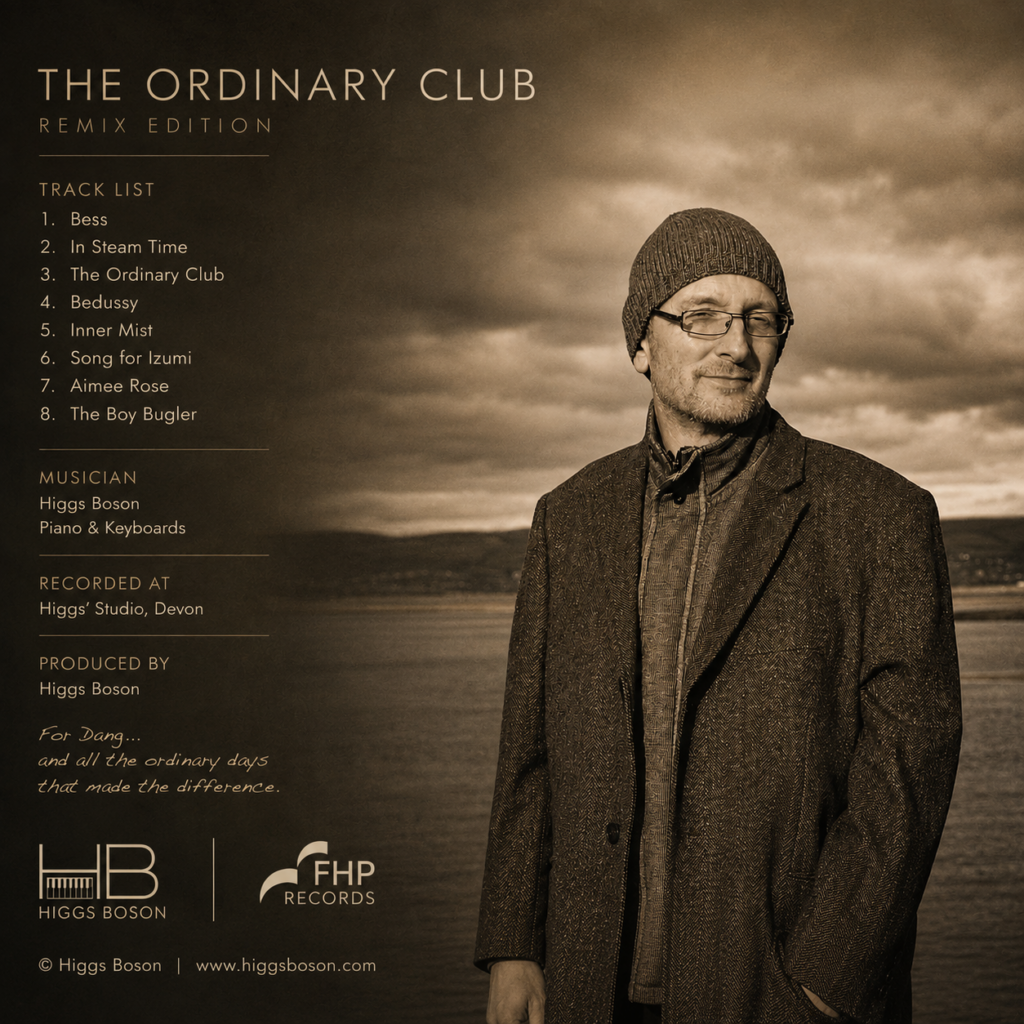
The Ordinary Club (2014)
The Ordinary Club is the most personal recording I have made.
Although rooted in contemporary jazz, the music moves freely between jazz, classical and cinematic influences. Many of the compositions were inspired by family memories, places and people whose stories remained with me long after the events themselves had passed.
The title comes from an old photograph taken by my grandfather in 1962 of two penny-farthings leaning outside a small roadside building known as The Ordinary Club. At first it seemed an ordinary photograph. Over time it became a symbol of something much larger: the lives we inherit, the stories we gradually uncover, and the quiet moments that shape us.
Unlike my earlier recordings, these pieces were not written to explore musical ideas alone. They became a way of preserving memories and giving them another life through music.
The Remix Edition revisits those original recordings with new mixes, additional performances and a fresh master, while remaining faithful to the character and spirit of the original album.
“Simply brilliant..”
— Stuart Epps
Listen
Featured track: The Ordinary Club
What Musicians Said
“Very uplifting and imaginative music. Sounds incredible!”
— Alphonse Mouzon“Neat music, great bass playing!”
— Tony Levin“Ah music! How refreshing!”
— John Novello“Very cool music!”
— Jim Weider
Support the Higgs Boson Archive
This website is an independent project, created and maintained to preserve more than three decades of music, writing, photography and archive material.
Keeping the archive online involves ongoing hosting, domain and storage costs. Everything here is freely available to explore, and there is absolutely no obligation to contribute. However, if you have enjoyed the music, found something interesting in the archive, or would simply like to help towards the cost of keeping it online, any voluntary contribution would be very gratefully received.