
Airfield Studios, St Merryn, Cornwall
Hidden among the former RAF buildings at St Merryn, near Padstow, Airfield Studios gave little indication of what lay within. Behind its modest exterior, guitarist, engineer and producer Jo Partridge had created a superb recording facility centred around a Studer 2-inch analogue tape machine running at 30 inches per second and a control room equipped with massive ATC monitoring speakers.
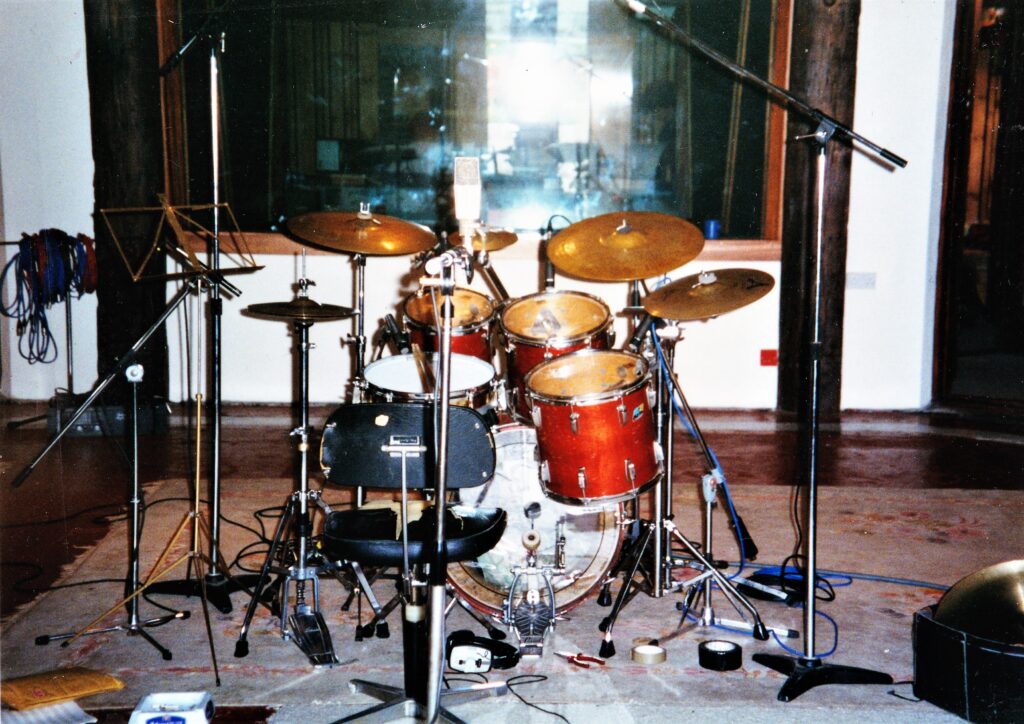
Producer Gareth Young chose Airfield because it offered the ideal environment for recording Tom Hooper’s drums to the highest possible standard. What followed was a memorable week of long days, technical challenges and, ultimately, the creation of much of the Higgs Boson album.
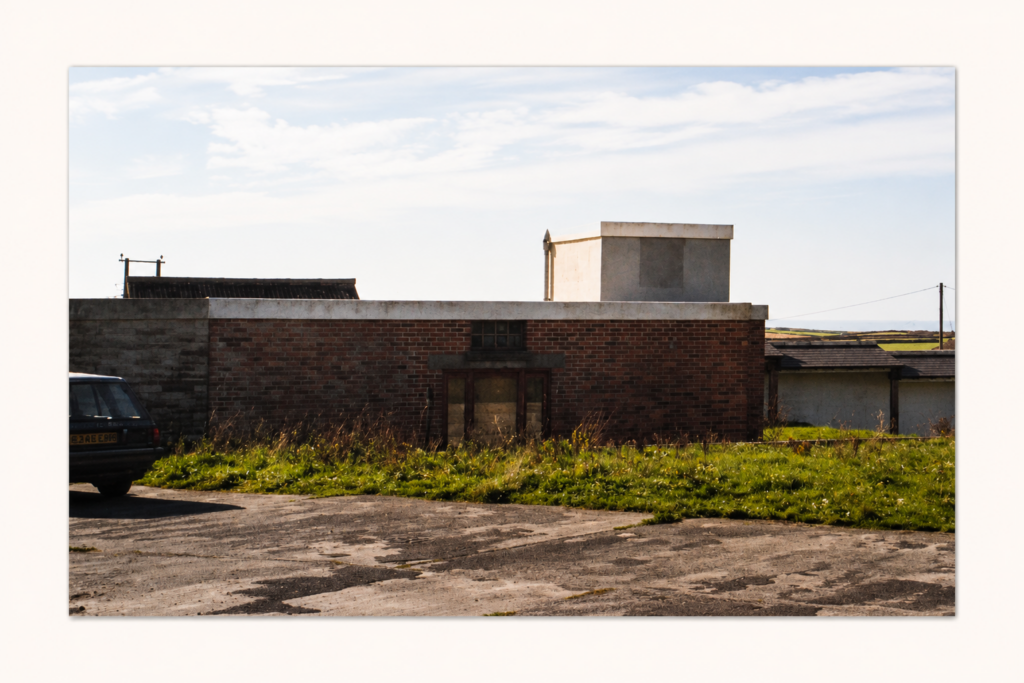
One of the great privileges of recording Higgs Boson was spending time at Airfield Studios with producer Gareth Young and engineer Jo Partridge. Airfield was a serious professional studio, equipped with world-class monitoring and recording facilities. Hearing the album played back through the studio’s ATC monitoring system was a revelation, revealing details that simply weren’t apparent elsewhere.
We realised early-on that Gareth’s studio was not equipped to record Tom Hooper, so Gareth persuaded Jo Partridge to let us use his studio. Gareth described the task with characteristic humour, joking that it was “like organising a pension through the Robert Maxwell Memorial Fund.
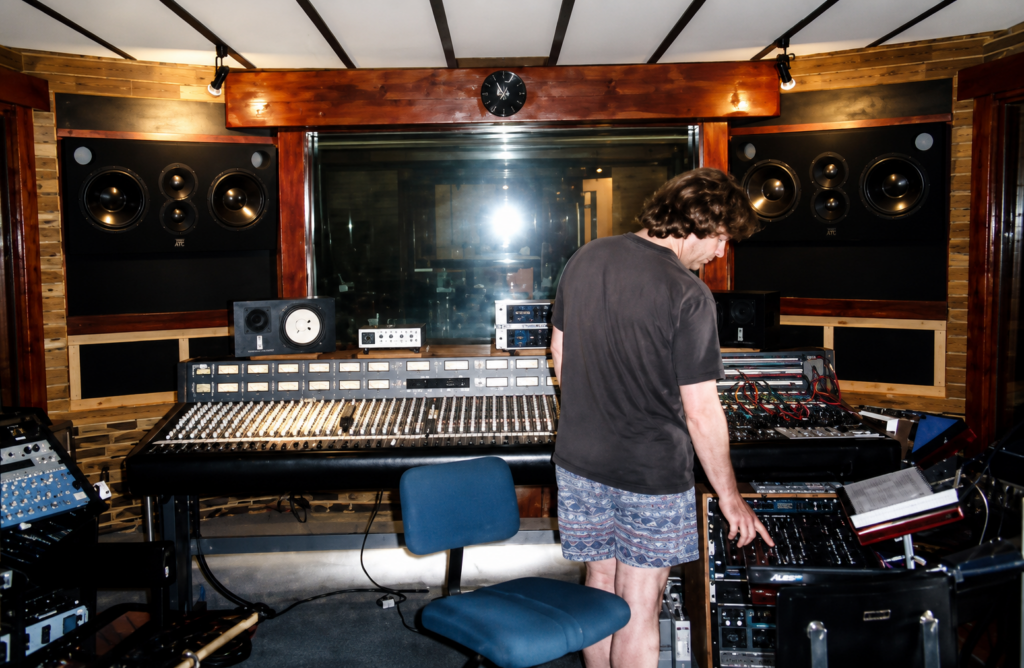
Jo Partridge mixing Higgs Boson at Airfield Studios, 1996.
Why Airfield Studio?
We chose Airfield Studios for one very practical reason. At the time, Jo Partridge had a Studer 2-inch analogue multitrack recorder running at 30 inches per second (30 ips). That combination represented the highest standard of analogue recording available and was particularly important for capturing Tom Hooper’s dynamic drum performance. Gareth Young felt that if we were going to record live drums properly, they deserved the best recording medium we could afford.
During the mix of Neptune, Gareth had introduced an almost subsonic pulse every fifth beat. It wasn’t intended to dominate the mix; in fact, on many systems listeners would barely notice it. But through Airfield’s massive ATC monitors it was astonishing. The low frequencies were so powerful that you could feel them in your chest, almost as if the room itself was breathing. It remains one of the most memorable moments of the entire recording process.
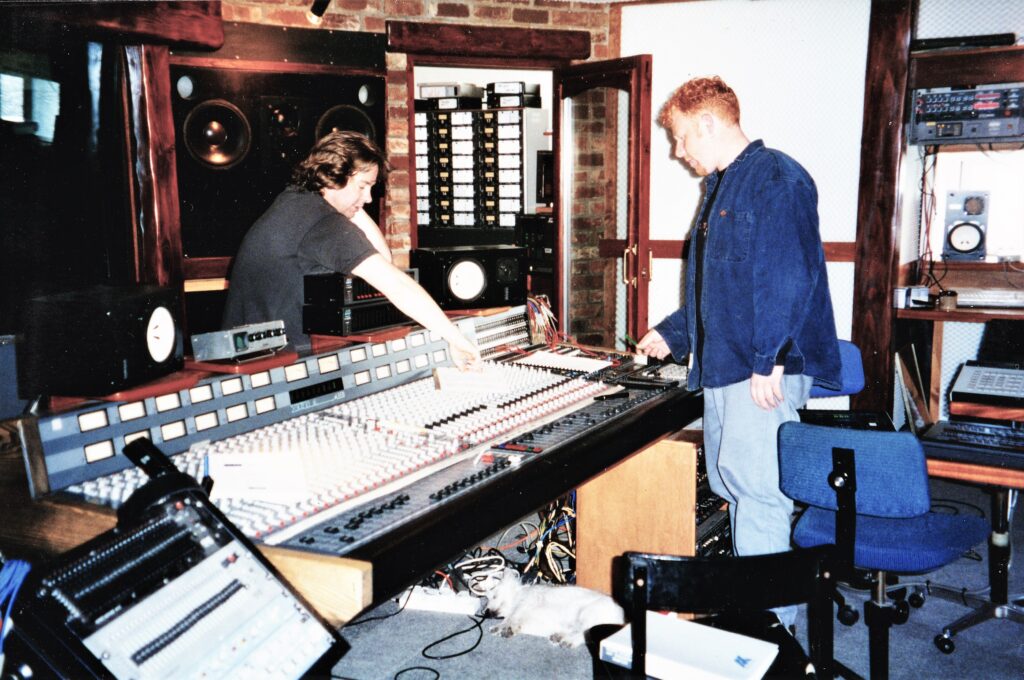
Jo Partridge (left) and Gareth Young deciding which button to press.
A Mark Tree from Truro
While we were recording at Airfield Studios, we decided that one passage would benefit from the shimmering sound of a Mark Tree. We visited a music shop in Truro to see if they had one available.
When the staff realised that Tom Hooper was the drummer on the project, they generously offered us the instrument in exchange for a copy of the finished album. Tom had already established a formidable reputation among Cornish musicians, and the gesture reflected the respect he commanded locally.
The Mark Tree was subsequently used on the track Travel, where its delicate sweep added another colour to the album’s palette.
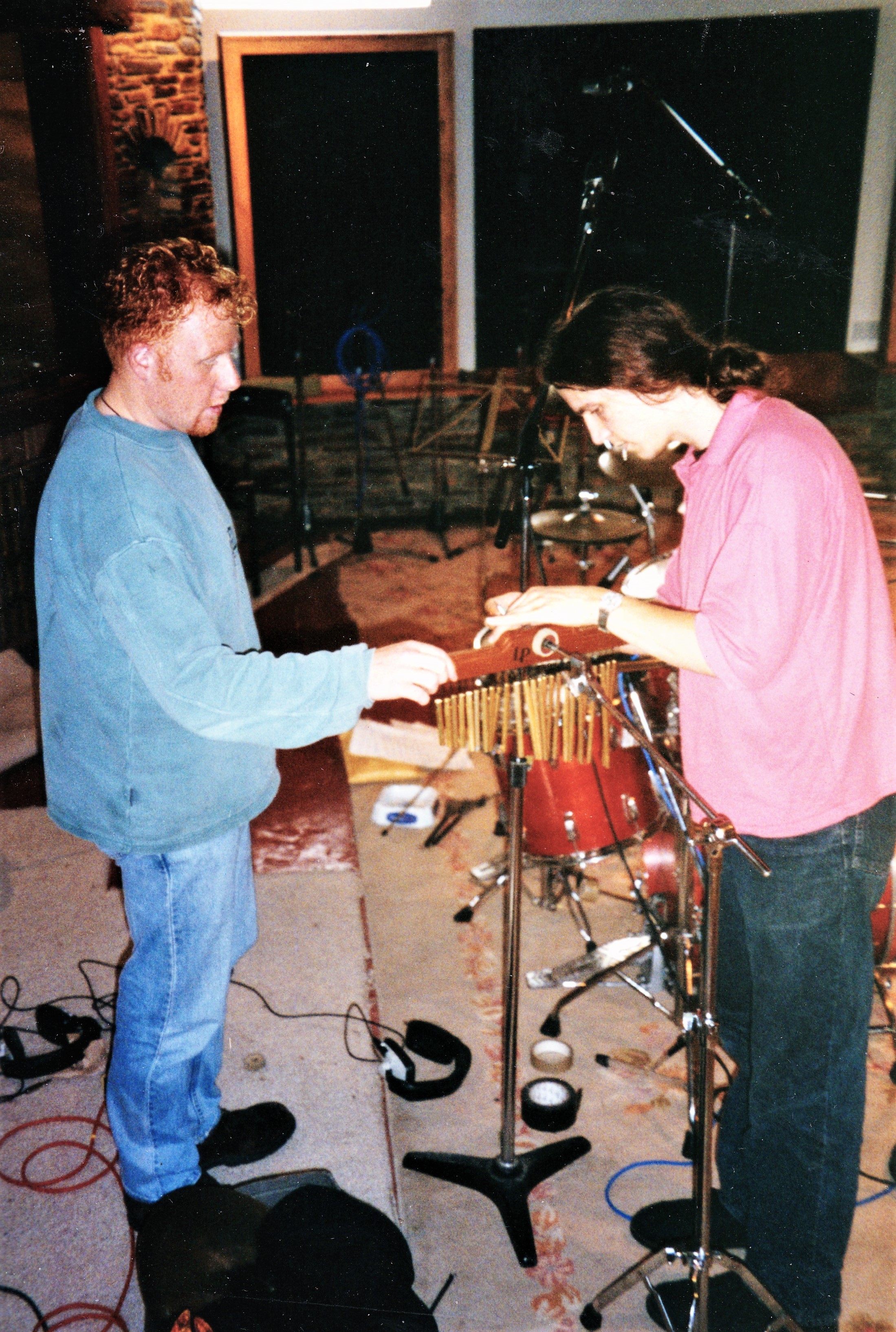
Producer Gareth Young and drummer Tom Hooper experimenting with the Mark Tree during the Airfield sessions. The instrument was later used on the track Travel.
Tom Hooper was just nineteen years old and studying at the Royal Academy of Music when we recorded the album. Despite his age, he had already earned a formidable reputation among Cornish musicians. His later career would include performing with artists such as Grace Jones, confirming the exceptional talent that was already evident during those sessions.
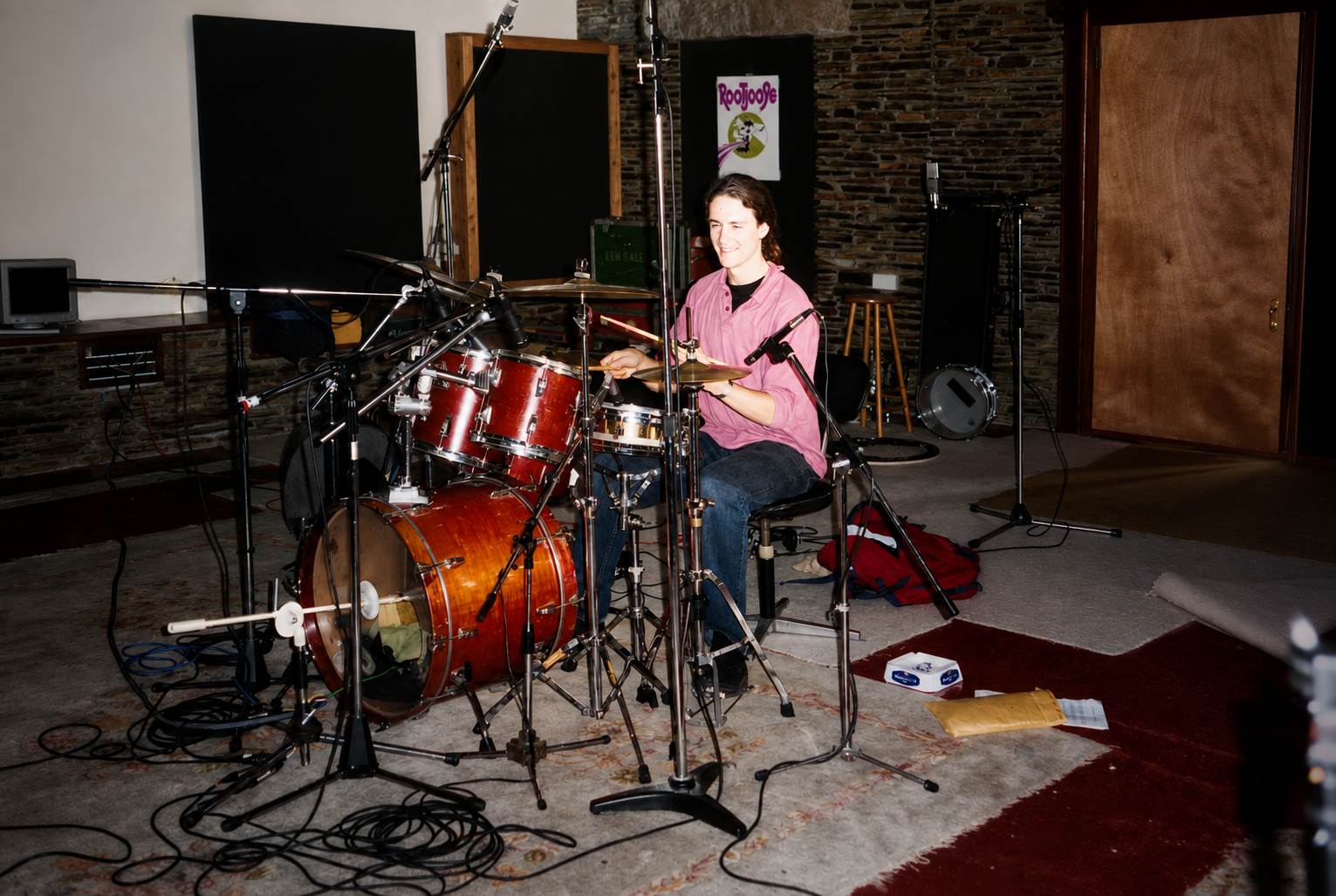
Tom Hooper during the Airfield sessions in 1996. Then aged just nineteen and studying at the Royal Academy of Music, he would later go on to perform with Grace Jones.
The Big Remote
Recording at Airfield wasn’t without its problems. Gareth’s Alesis ADAT system refused to synchronise with Jo Partridge’s equipment without a device known as a Big Remote. It had to be hired specially, delaying the sessions by two days and adding another unexpected expense to the project.
While everyone else sensibly waited, I disappeared into the back room to see whether there was anything I could do to help. My attempts to repair the unit caused considerable amusement, although I don’t think anyone seriously expected me to succeed.
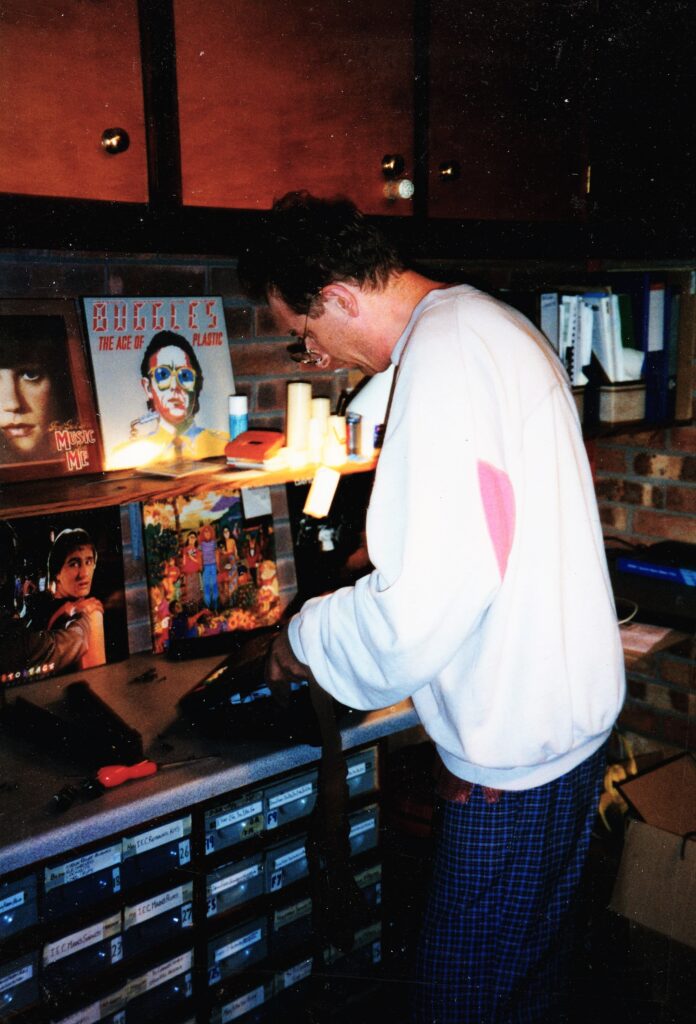
Attempting to diagnose the infamous “Big Remote” during the Airfield sessions. Fortunately, Gareth eventually solved the synchronisation problems by less unconventional means.
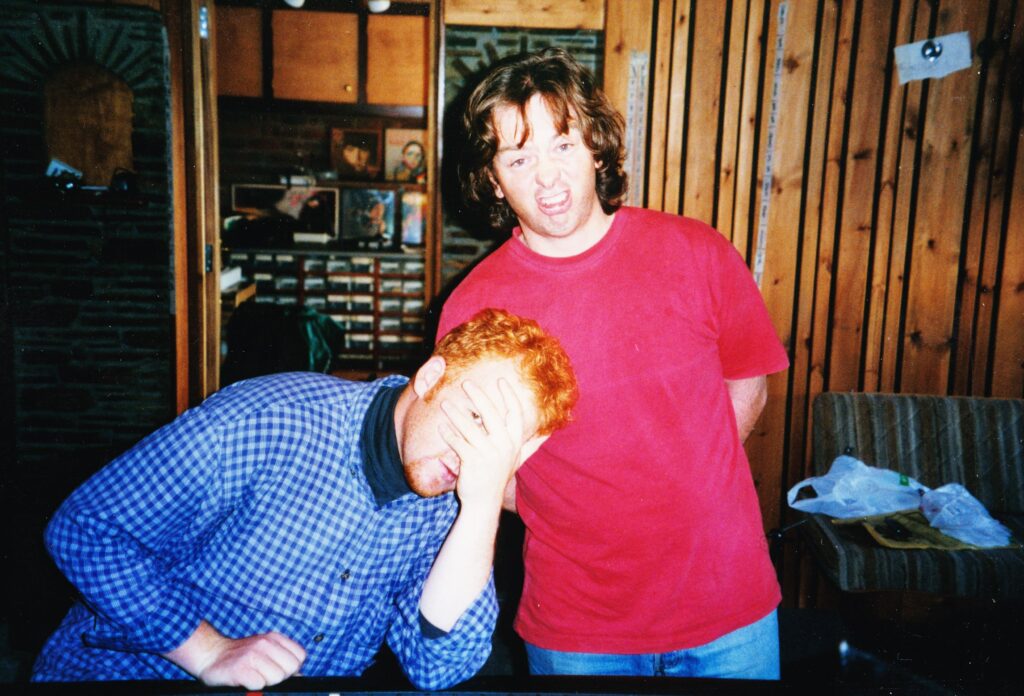
Engineer Jo Partridge (right) and producer Gareth Young during the Airfield sessions. Long hours, endless cups of coffee and my determination to perfect every detail occasionally produced moments like this. Fortunately, both retained their sense of humour throughout.
Thirty years later, these photographs survive as a record of the sessions that brought Higgs Boson to life. Many of the people, studios and technologies have changed, but the music remains exactly as we intended.